
Traditionally Sourced Edible Bird's Nest
• Carefully sourced from Sóc Trăng, Vietnam
• No additives
• Imported into the U.S. in compliance with FDA regulations
What is Bird's Nest?
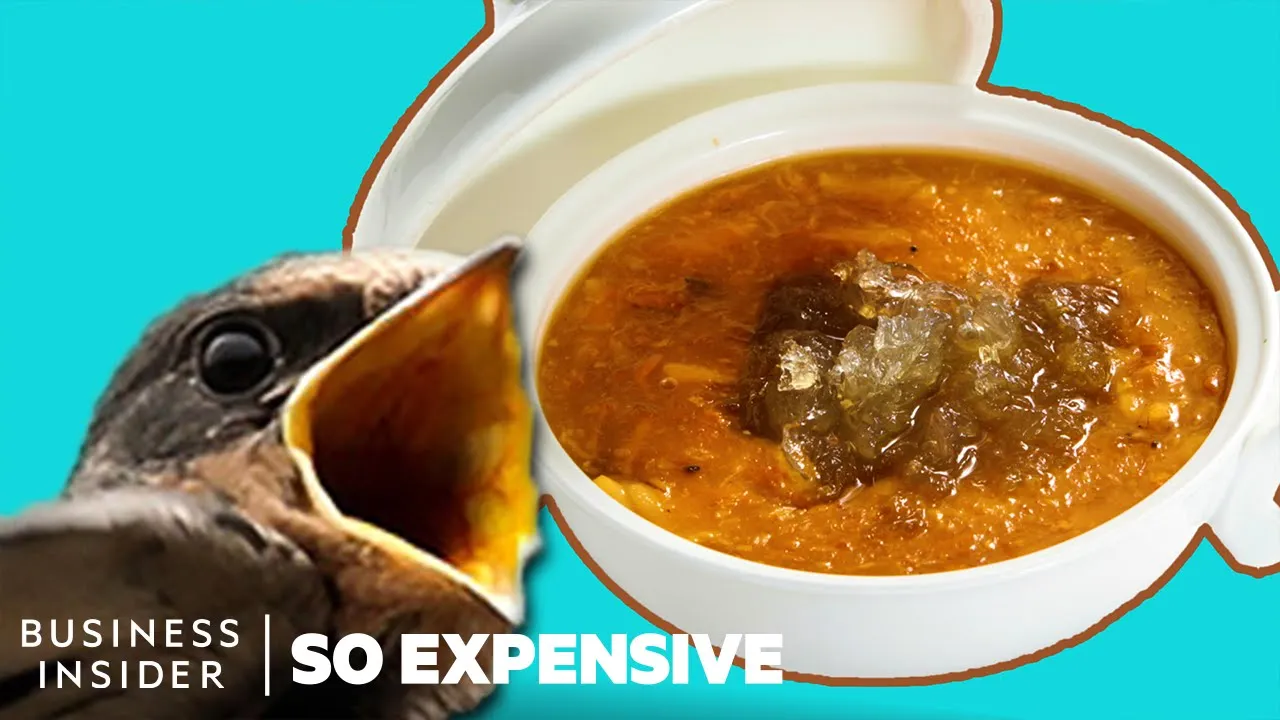
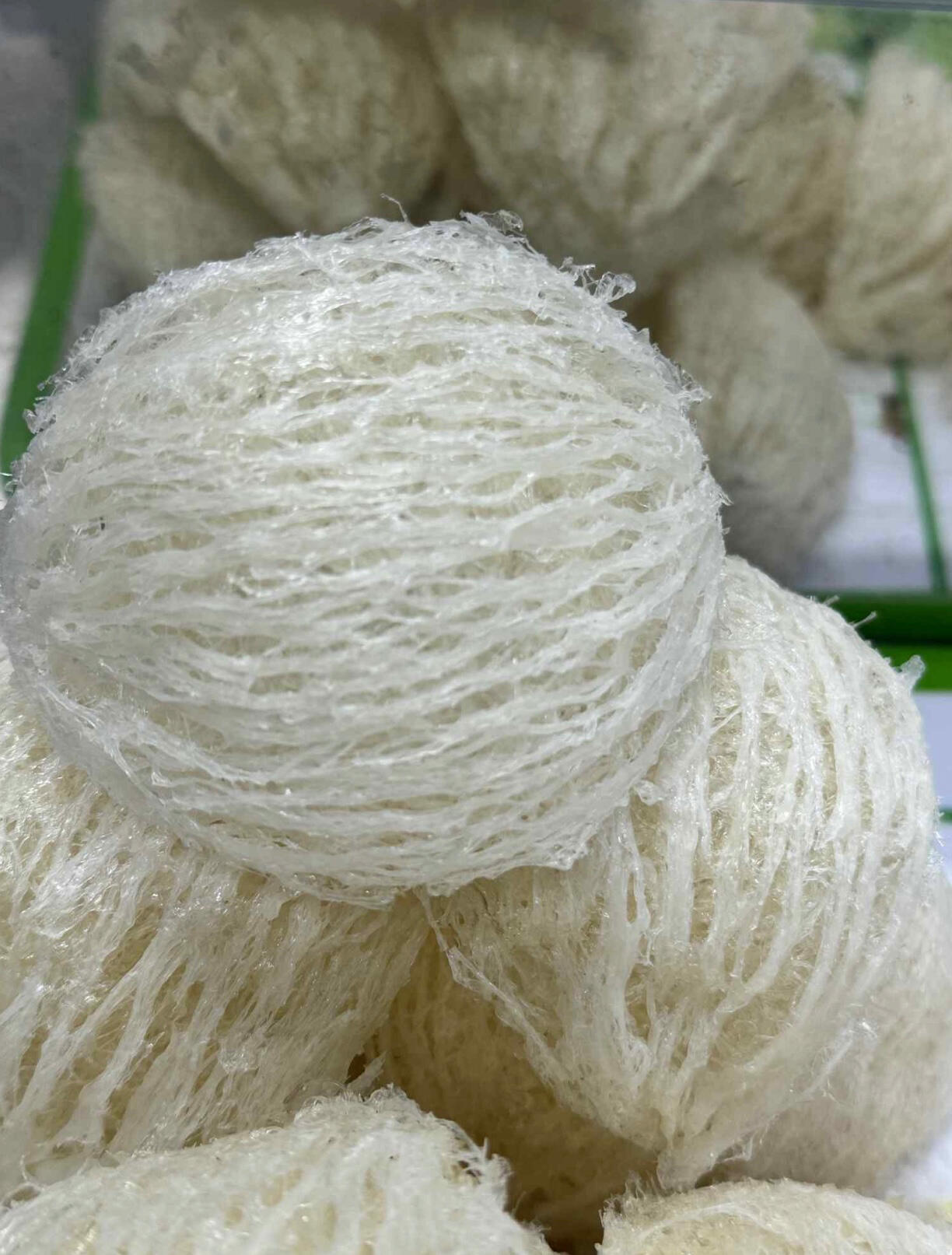
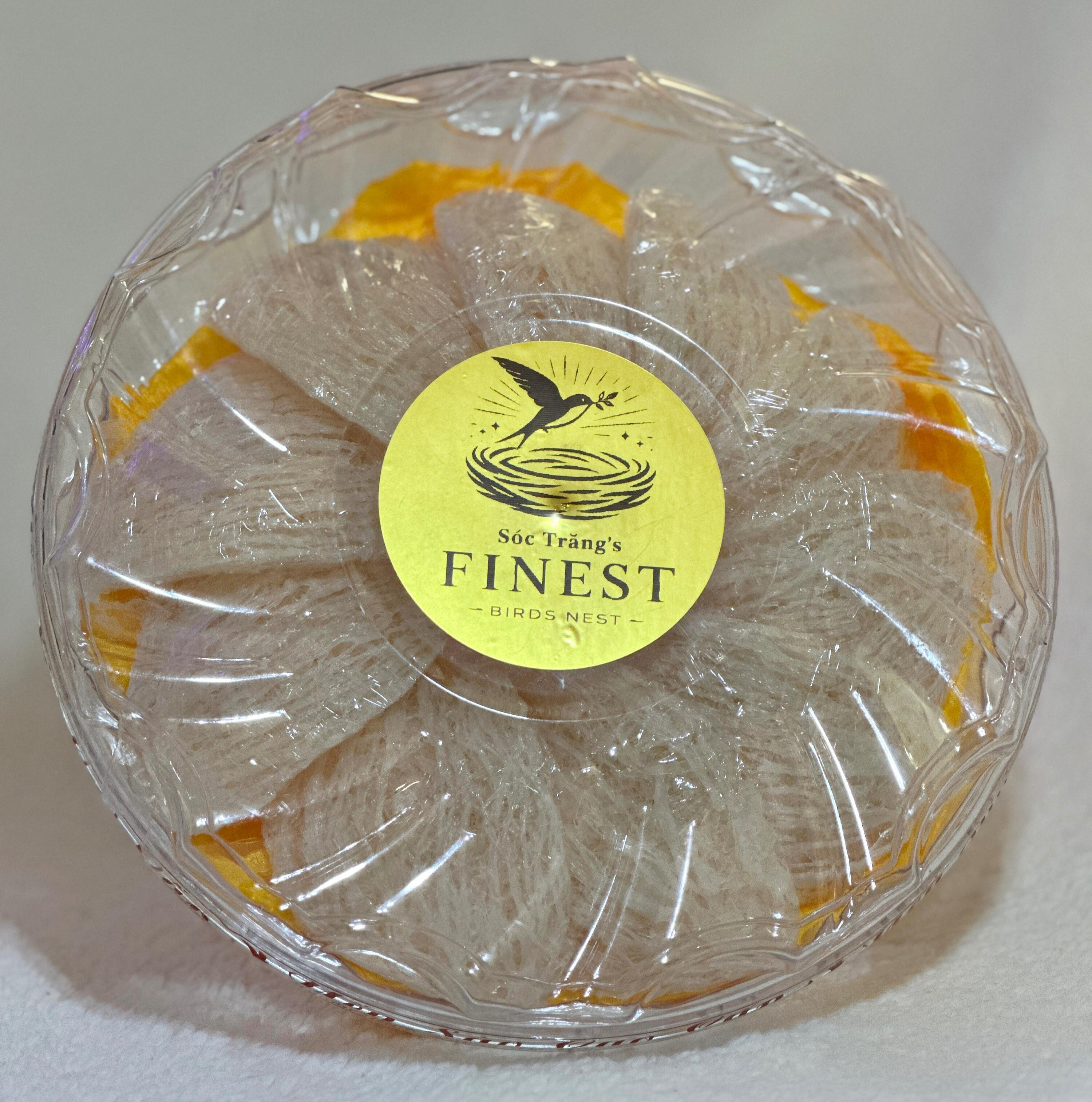
Edible bird’s nest is a traditional culinary ingredient made from the naturally formed nests of swiftlet birds found across Southeast Asia. The nest is formed from the bird’s hardened saliva and becomes delicate, translucent strands once prepared.Why it’s considered a culinary luxury
• Rare & limited supply (harvesting is seasonal and careful)
• Meticulous cleaning to preserve the natural structure**
• Traditionally served as a soup or dessert for special occasionsNote: Bird’s nest has a long cultural history and is often associated with “nourishment and wellness” in tradition. (We share this for cultural context — not as medical advice.)
Why FINEST?
At FINEST, we focus on purity, consistency, and responsible sourcing — without overcomplicating the story.What we prioritize• Ethically harvested in bird’s nest from Sóc Trăng, Vietnam
• Swiftlet houses designed to mimic caves while remaining controlled environments to help reduce pests and predators
• Hand selection + careful cleaning to maintain natural shape and strands
• Imported and distributed with transparency and careIngredient approach
No preservatives or additives are added unless otherwise stated on the package.

WHERE WE HARVEST FROM:
SÓC TRĂNG, VIETNAM
Sóc Trăng is a coastal province in southern Vietnam with a tropical climate that naturally supports swiftlet nesting. For generations, local communities have developed expertise in maintaining swiftlet houses where birds return season after season.How swiftlet houses work
• Swiftlets are wild birds that enter and leave freely
• Nests are harvested following local practices that respect the birds’ natural life cycle
TRADITION
& CULTURAL SIGNIFICANCE
Edible bird’s nest has been appreciated in East and Southeast Asian cuisine for over a thousand years. Historically served for special occasions, it remains a symbol of care, respect, and tradition — often prepared as a soup or dessert and valued for its unique texture.
HAND SELECTION
& CLEANING PROCESS
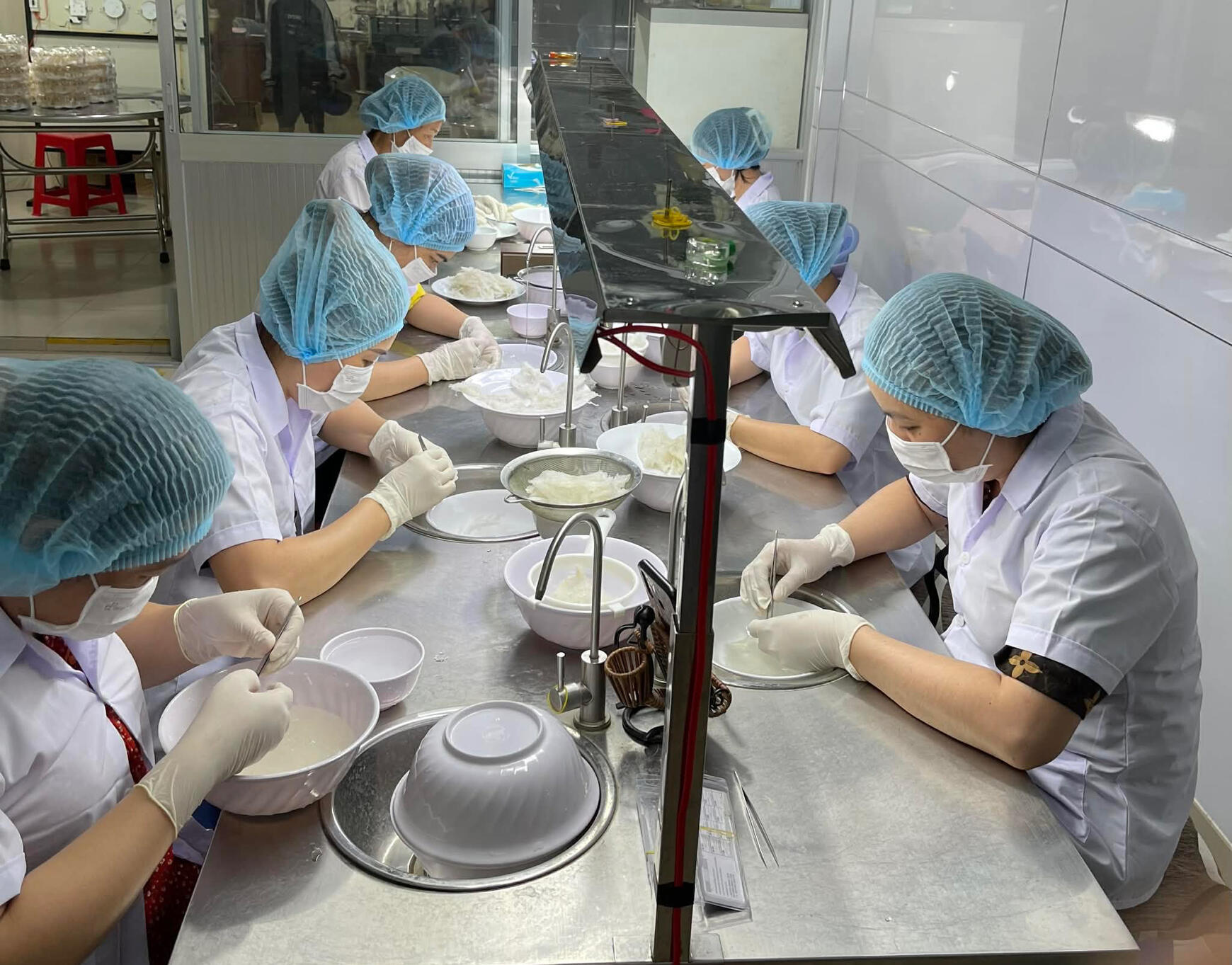
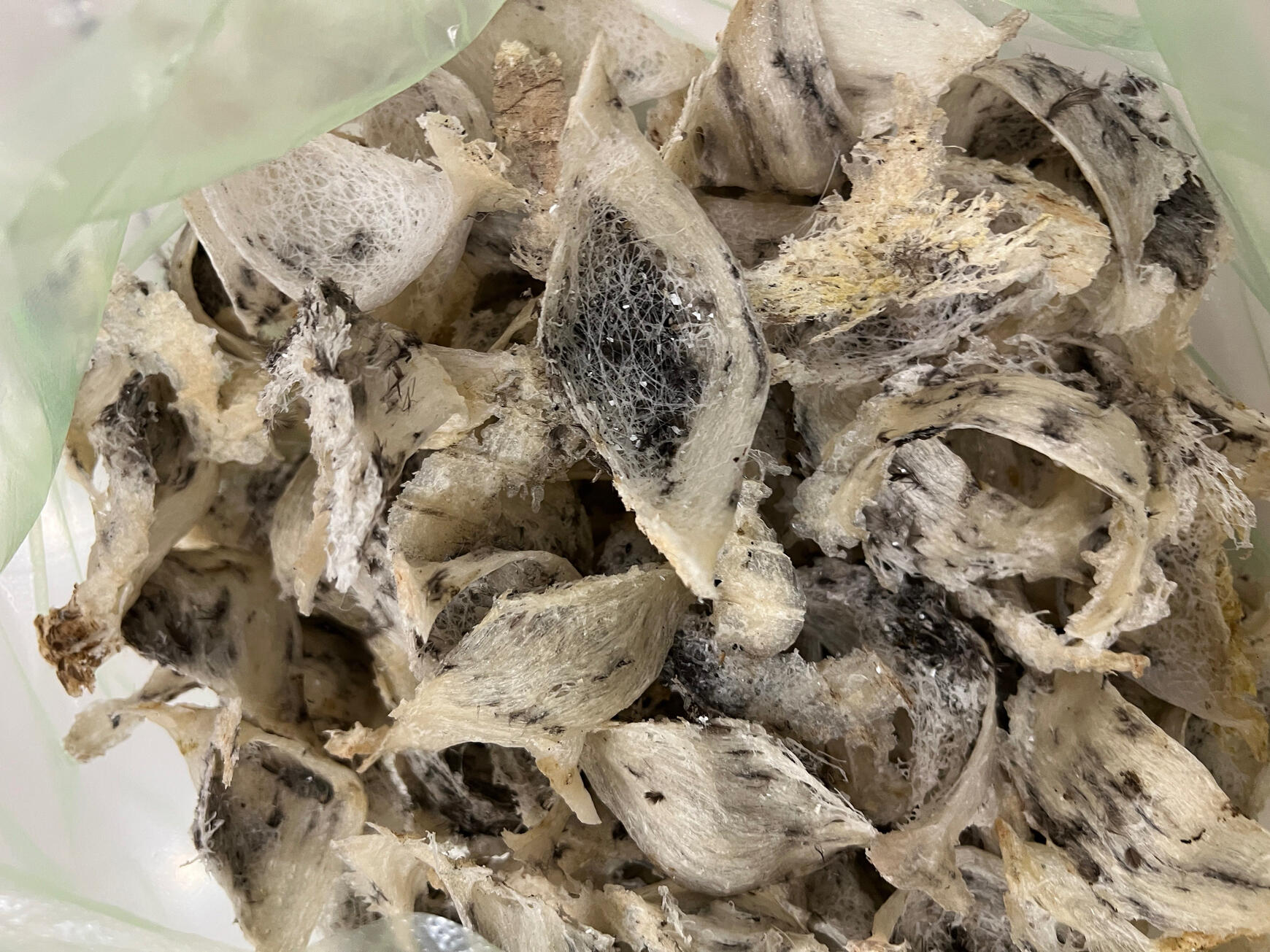
Each nest is carefully hand-selected and cleaned to remove natural impurities while preserving its natural structure — combining traditional craftsmanship with modern food safety standards.Our process focuses on
• Careful handling
• Visual inspection
• Consistent quality
• Clean processing environments
Cooking Your Bird’s Nest
1. Soak one piece in cold distilled water for ~45 minutes until it blooms.
2. Drain gently in a strainer.
3. Double-boil with 300 mL distilled water.
4. Add rock sugar to taste (about 1 tbsp as a starting point).
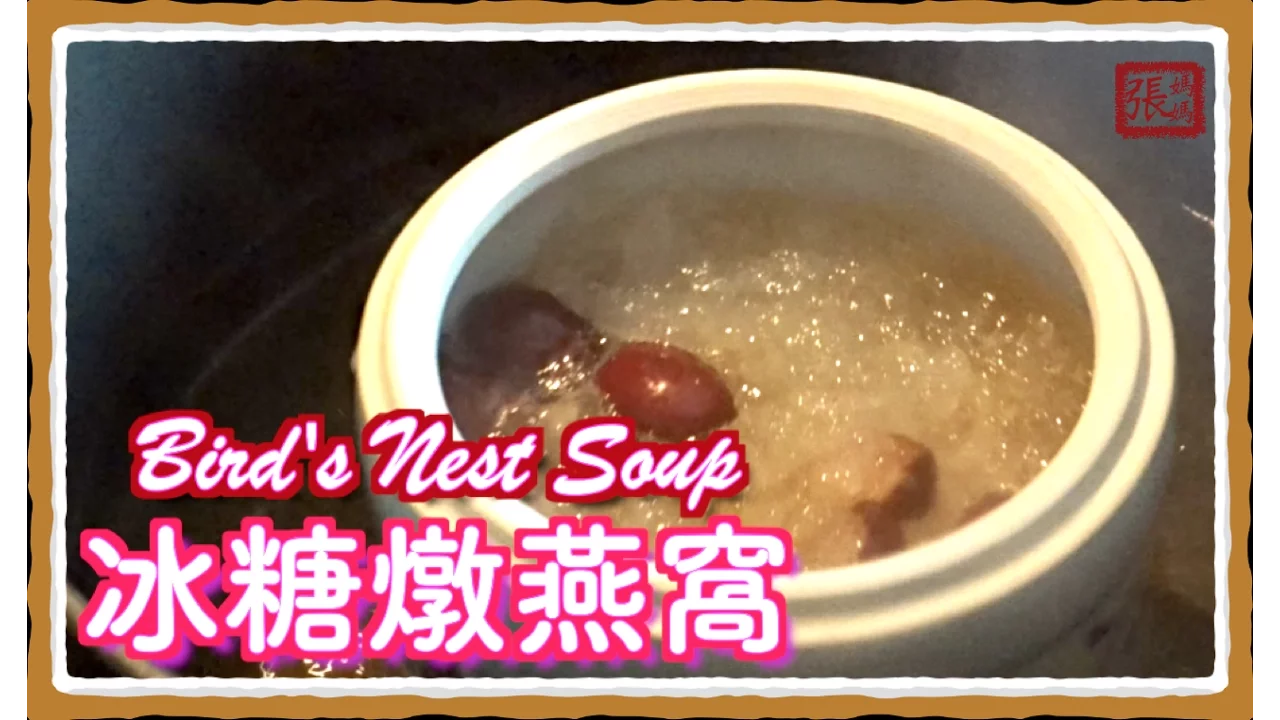
5. Double-boil ~15 minutes until soft, springy, jelly-like strands.Serving notes:
Cool slightly, then refrigerate.
Best enjoyed cold for taste and texture.Optional additions: jujube, goji berries, lotus seed, ginseng, osmanthus.
FOOD SAFETY & QUALITY STANDARDS
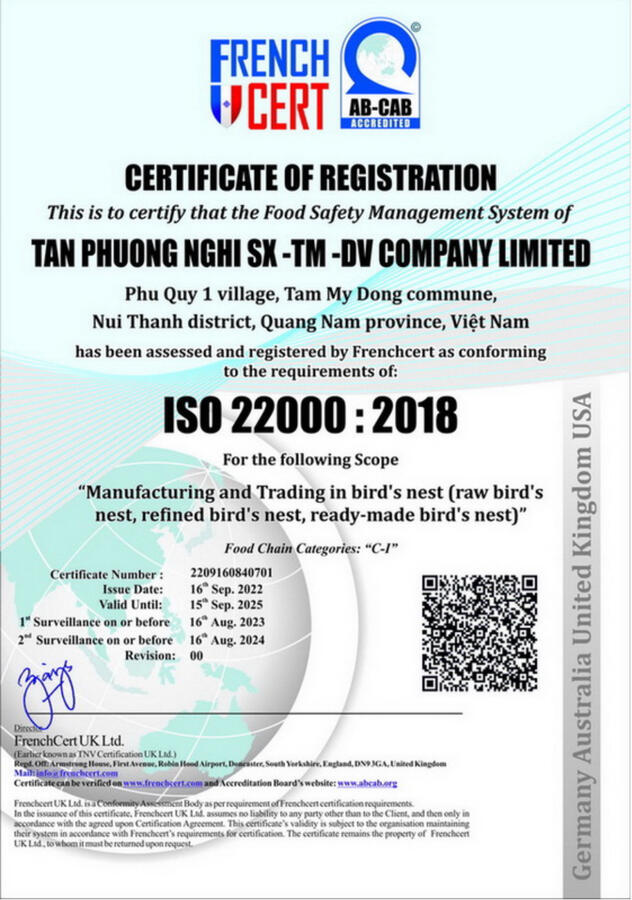
This product is:• Imported into the United States in compliance with FDA regulations• Manufactured and/or processed in an FDA-registered facility• Produced following established food safety and sanitation standards• Listed under ISO 22000:2018 food safety management systems (where applicable)These standards help ensure consistency, traceability, and proper handling throughout the supply chain.Important: The FDA does not approve food products. FDA registration refers to facility oversight and food safety compliance.
Frequently Asked Questions
Are preservatives or additives used?No preservatives or additives are added unless otherwise stated on the package.How are the nests harvested?
Our nests are hand-harvested from specially designed bird houses.Are the birds harmed?Swiftlets are wild birds. Nests are ethically harvested following practices that respect natural nesting cycles.Who should not consume bird’s nest?If you have food allergies or dietary concerns, consult a qualified professional before consumption.How do I properly store bird's nest?Store in a cool, dry place.
Keep sealed when not in use.Is this product FDA approved?No. The FDA does not approve food products. This product is imported and handled in compliance with FDA regulations.
Have a question? Want to place an order? Email us below!
Disclaimer
This product is a traditional food. Information provided on this website is for educational and informational purposes only and is not intended to diagnose, treat, cure, or prevent any disease.